
Best Battle Master Maneuvers sets the stage for this enthralling narrative, offering readers a glimpse into a story that is rich in detail, combines the essence of military strategy and tactics, and brims with originality from the outset.
The art of battle master maneuvers has evolved significantly over the centuries, from the ancient tactics of Sun Tzu to the modern-day strategies employed by Special Forces units. Today, battle master maneuvers are a crucial component of military training, requiring soldiers to think on their feet, adapt to unexpected situations, and execute complex tactics with precision and accuracy.
The Evolution of Battle Master Maneuvers in Modern Warfare: Best Battle Master Maneuvers
The evolution of battle master maneuvers in modern warfare is a complex and multifaceted topic, with a rich historical context that spans centuries. From the early days of trench warfare to the sophisticated drone attacks of today, the tactics employed by military forces have undergone significant transformations in response to changing technological, social, and economic factors.
Early Developments in Battle Master Maneuvers
The concept of battle master maneuvers dates back to the 18th century, when European armies employed elaborate tactics involving formations, cavalry charges, and artillery bombardments. One notable example is the Battle of Blenheim in 1704, where the British army employed a clever pincer movement to outmaneuver the French forces.
“The whole army was drawn up in a very deep column, with a very strong front, to present as much force as possible to the enemy’s line, and to cover the whole of the cavalry on the wings.
World War I and the Trench Warfare Era
The trenches of World War I marked a significant turning point in the evolution of battle master maneuvers. As both sides dug in and employed machine guns, tanks, and poison gas, the tactics employed by armies became increasingly brutal and complex. One notable example is the German army’s use of the Stormtrooper tactics, which involved rapid advances by small groups of soldiers, supported by heavy artillery and machine gun fire.
World War II and the Development of Airpower
The advent of airpower in World War II marked a significant shift in the way battle master maneuvers were employed. The German Luftwaffe’s Blitzkrieg tactics, which involved rapid advances by air-supported armies, revolutionized the conduct of land warfare. One notable example is the German army’s invasion of Poland in 1939, which began with a massive aerial bombing campaign that shattered the Polish air defense and paved the way for the ground invasion.
Modern Warfare and the Era of Unmanned Aerial Vehicles (UAVs)
Today, battle master maneuvers are more complex and sophisticated than ever before, driven by advances in technology, including the development of UAVs, advanced sensors, and cyber warfare capabilities. One notable example is the US military’s use of Reaper drones to conduct precision strikes against high-value targets in Afghanistan and Syria.
| UAV Platform | Range | Endurance |
|---|---|---|
| Reaper | 800 km | 27 hours |
| Falcon | 1,100 km | 32 hours |
Challenges Faced by Modern Military Forces
Despite the advances in technology and tactics, modern military forces face significant challenges in applying battle master maneuvers in the face of increasingly complex and dynamic operational environments. One significant challenge is the need to balance the use of advanced technology with the imperatives of speed, adaptability, and flexibility in modern warfare. Another challenge is the need to develop and employ effective tactics for countering advanced threats, including cyber threats, hybrid threats, and asymmetric warfare.
Battle Master Maneuvers for Counter Insurgency
When it comes to counter insurgency operations, subtlety and nuance are key. These complex conflicts require a deep understanding of local cultures, power dynamics, and the intricate web of relationships within a given region. The wrong approach can alienate the very people you’re trying to protect, making it even harder to achieve your goals. That’s why Battle Master Maneuvers are especially useful in these situations – they allow you to adapt quickly to changing circumstances and employ tactics that minimize harm to civilians while maximizing the impact on insurgent groups.
Understanding the Unique Challenges of Counter Insurgency
Counter insurgency operations involve more than just military might. They require a holistic approach that considers the social, economic, and cultural factors driving the conflict. This means understanding the local context, identifying areas of vulnerability, and developing strategies that address the root causes of the insurgency rather than just its symptoms. Battle Master Maneuvers can help you navigate these complexities by providing a framework for analyzing the situation, identifying opportunities for intervention, and developing effective tactics.
To unleash your mastery in battle games, you need to be familiar with the best battle master maneuvers. For instance, insulating your garage ceiling like best insulation for garage ceiling , can protect your equipment from extreme temperatures, allowing you to focus on perfecting your strategies. Conversely, mastering game mechanics can shield you from the harshest competitive environments just as a well-insulated garage can shield your gear.
By doing so, you’ll become a formidable opponent.
Examples of Successful Battle Master Maneuvers in Counter Insurgency
In recent years, several counter insurgency campaigns have employed Battle Master Maneuvers with great success. One notable example is the British military’s operation in Helmand Province, Afghanistan. By using a combination of intelligence gathering, community outreach, and targeted security operations, the British were able to disrupt the Taliban’s supply lines and weaken their hold on the region. They also worked closely with local leaders and communities to build trust and support, ultimately helping to create a more stable and secure environment.
- The British operation in Helmand Province demonstrated the effectiveness of a well-planned and executed counter insurgency campaign. By combining intelligence gathering, community outreach, and targeted security operations, they were able to disrupt the Taliban’s supply lines and weaken their hold on the region.
- One key aspect of the British operation was their commitment to building trust and support among local communities. This involved working closely with local leaders, providing economic support and infrastructure development, and engaging in regular community outreach and engagement activities.
- The results were striking: the Taliban’s grip on the region was weakened, and local communities began to feel more secure and confident in their ability to defend themselves.
Disrupting Insurgent Groups without Alienating Local Populations
One of the most challenging aspects of counter insurgency operations is striking a balance between disrupting insurgent groups and avoiding harm to local civilians. This requires a deep understanding of the local context, including the relationships between different groups and the complex web of allegiances and rivalries that can exist within a given region. Battle Master Maneuvers can help you navigate these complexities by providing a framework for analyzing the situation, identifying opportunities for intervention, and developing effective tactics that minimize harm to civilians.
“The key to successful counter insurgency operations is to understand the local context and to develop strategies that address the root causes of the conflict rather than just its symptoms.”
Conclusion
In conclusion, Battle Master Maneuvers can be a powerful tool in counter insurgency operations. By providing a framework for analyzing the situation, identifying opportunities for intervention, and developing effective tactics, they can help you navigate the unique challenges of these complex conflicts. Whether you’re working in Afghanistan, Iraq, or any other region where counter insurgency operations are taking place, a deep understanding of the local context and a commitment to building trust and support among local communities are essential for success.
Mastering the best battle master maneuvers requires a combination of tactics and strategy, but it’s often overlooked that the color of your crosshair can give you a significant edge. For instance, studies have shown that blue light, particularly cyan, can reduce eye strain and improve accuracy , but this doesn’t necessarily mean it’s the best color for your battle master skills.
In reality, the top players choose their colors based on their personal preference, but when it comes to execution, the best battle master maneuvers are still key to success.
The Role of Technology in Battle Master Maneuvers
Battle master maneuvers have long been a cornerstone of military strategy, enabling swift and coordinated attacks on enemy positions. The advent of modern technology has significantly amplified the effectiveness of these tactics, empowering military commanders with unprecedented situational awareness and combat capabilities. This shift towards technological integration has not only elevated the stakes but also presented new challenges for soldiers operating in today’s battlefield.
Enabling Situational Awareness with Drones and Advanced Sensors, Best battle master maneuvers
Advances in drone technology and sensor development have vastly improved the battlefield surveillance landscape. Drones equipped with high-resolution cameras, night vision devices, and advanced tracking software can pinpoint enemy positions with increased accuracy. This intelligence, when combined with real-time data from advanced sensors, provides an almost omniscient understanding of the battlefield environment. This is exemplified by the widespread adoption of surveillance drones in modern militaries, which enable commanders to make informed decisions while staying ahead of the enemy’s movements.
- Real-time video feeds enable rapid identification of enemy locations and movements.
- Advanced sensors provide invaluable battlefield data, facilitating more informed mission planning.
- Integrated systems enable more effective coordination among different military units and branches.
Facilitating Coordinated Attacks with Advanced Communication Systems
High-speed communication networks have revolutionized the way military units collaborate in the field. Secure and reliable data transmission capabilities allow commanders to issue real-time instructions and receive critical battlefield updates simultaneously. As evidenced by the extensive use of satellite communication and advanced encrypted data transmission systems in modern warfare, these tools have greatly enhanced the ability of soldiers to rapidly adapt and respond to shifting circumstances.
Addressing the Limitations of Technological Reliance
While technological advancements have significantly enhanced battle master maneuvers, they also introduce new risks and challenges. Heavy reliance on technology can lead to complacency and decreased situational awareness among soldiers. Moreover, the potential for technological vulnerabilities and cyber threats must be carefully managed to avoid disruptions in command and control operations.
- Technological dependence can lead to over-reliance, diminishing situational awareness among soldiers.
- Vulnerabilities in advanced systems can be exploited by sophisticated adversaries.
- Operational disruptions can have significant consequences, potentially turning the tide of battle.
Adapting to the Modern Battlefield
In today’s complex and dynamic battlefield, soldiers must adapt to an ever-changing environment. As technology continues to evolve, its role in battle master maneuvers will only grow more prominent. To remain effective, military units must develop a deep understanding of the technology they wield, learning to navigate its limitations while leveraging its full potential.
The Training and Education of Battle Master Teams
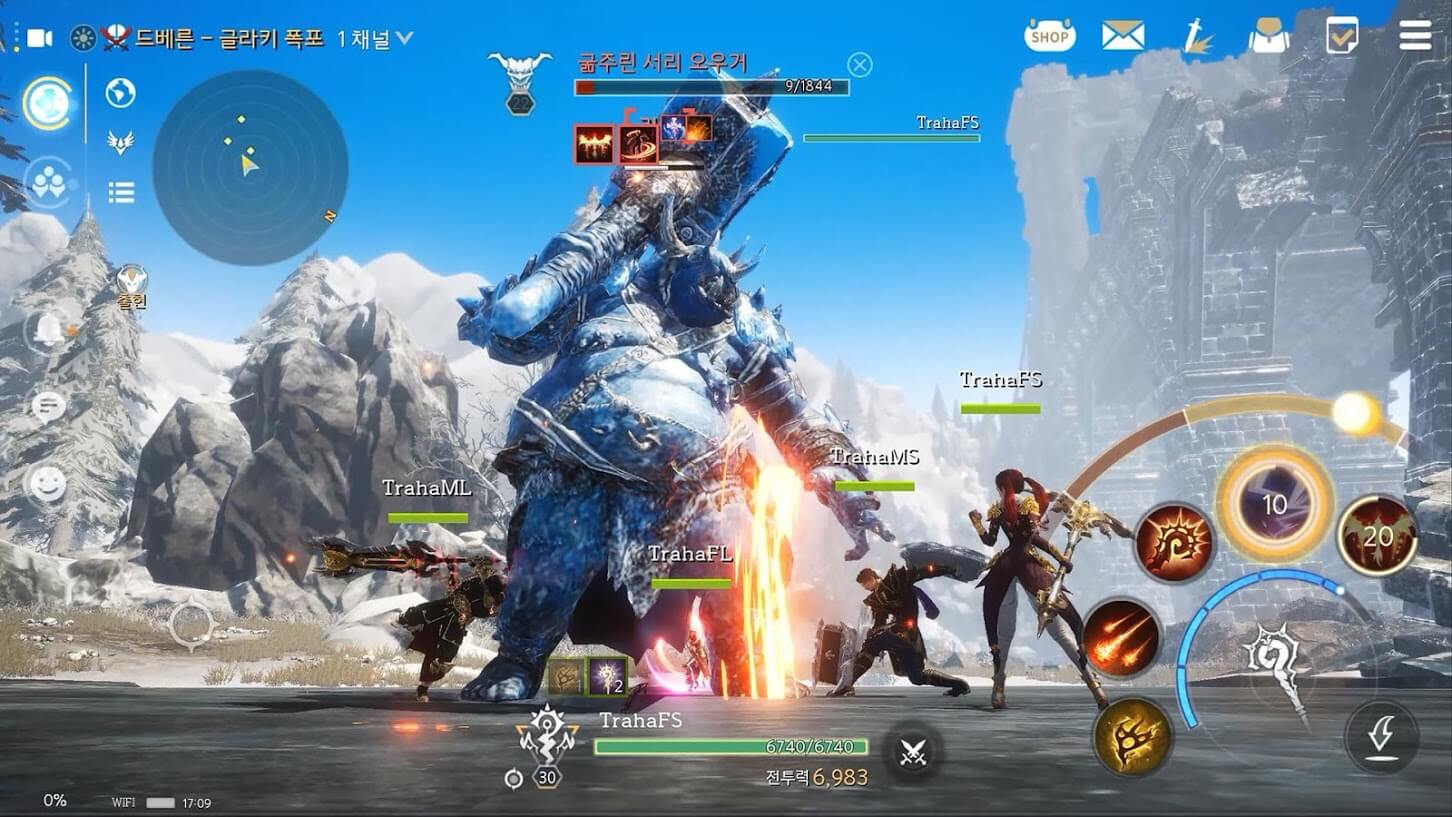
Battle Master teams are elite units that require rigorous training and education to master complex combat maneuvers. To prepare these soldiers, training regimens must incorporate realistic simulations, physical conditioning, and scenario-based training to simulate real-world battle scenarios.
Rigorous Training Regimens
A comprehensive training program for Battle Master teams involves multiple phases, each tailored to develop specific skills and competencies. The process begins with physical conditioning to build endurance and stamina, followed by advanced combat training that focuses on tactical maneuvers and teamwork.
“Train as you fight.” This mantra is at the core of Battle Master training.
Phase one of the training program consists of:
- Physical conditioning: Battle Master candidates engage in rigorous physical training to build endurance and stamina.
- Basic combat training: Candidates learn fundamental combat skills, such as marksmanship and hand-to-hand combat.
Phase two involves advanced training:
- Tactical maneuvers: Battle Master candidates learn and practice advanced combat tactics, such as flanking and pincer movements.
- Scenario-based training: Candidates participate in simulated combat scenarios, practicing their skills in realistic and dynamic environments.
Mentorship and Knowledge Sharing
Experienced Battle Master teams play a critical role in training and mentoring inexperienced units.
“Sharing knowledge and expertise is key to maintaining the highest level of combat effectiveness,” said a seasoned Battle Master commander.
Effective mentorship involves:
- Knowledge sharing: Experienced Battle Master teams share their expertise and tactics with junior units.
- Adaptability: Mentor teams must adapt to new challenges and environments, ensuring their trainees are equipped to handle a variety of combat scenarios.
- Leadership development: Mentorship provides opportunities for junior leaders to develop their skills and take on more significant roles within the unit.
Battle Master teams must continually update their skills and tactics to remain effective in an ever-evolving combat environment. This commitment to ongoing training and education enables them to maintain their edge and stay ahead of the enemy. A well-trained and educated Battle Master team is essential for success on the battlefield.
Last Recap
In conclusion, battle master maneuvers are a vital aspect of modern warfare, requiring a deep understanding of military strategy, tactics, and technology. By mastering the principles of situational awareness, strategic planning, and tactical execution, soldiers can gain a decisive advantage on the battlefield. As we continue to evolve and improve our military training, it is essential that we prioritize the development of battle master teams, equipped with the knowledge, skills, and experience necessary to succeed in an increasingly complex and dynamic world.
FAQ Explained
What is the primary objective of battle master maneuvers?
The primary objective of battle master maneuvers is to achieve a decisive advantage on the battlefield by executing complex tactics with precision and accuracy, while adapting to unexpected situations and thinking on their feet.
What are the key principles of effective battle master maneuvers?
The key principles of effective battle master maneuvers include situational awareness, strategic planning, and tactical execution, as well as adaptability and flexibility in response to unexpected threats or changing circumstances.
How can battle master maneuvers be applied in urban warfare?
Urban warfare presents unique challenges and opportunities, and battle master maneuvers can be adapted to urban environments by incorporating strategies such as flanking, ambushing, and exploiting weak points in enemy defenses, all while prioritizing close quarters combat and precise communication.
What role does technology play in battle master maneuvers?
Modern technology, such as drones, advanced sensors, and communication systems, can support the execution of battle master maneuvers, enhancing situational awareness and facilitating coordinated attacks, but soldiers must remain aware of their surroundings and adapt to unexpected situations.
